Yes — ceramic coating can absolutely be applied at your home, and it's done well every day. But it's the service where the gap between a proper job and a bad one is widest, and where the cheap quote is most likely to be hiding something. If you're considering a mobile coating, here's what genuinely has to happen for it to work, and how to tell whether you're being offered the real thing.
What a coating needs in order to bond
A ceramic coating isn't a wax you wipe on. It's a liquid that chemically bonds to your clearcoat and then hardens into a semi-permanent layer. For that bond to form correctly it needs three things:
- A surgically clean surface — any wax, sealant, grease or embedded contamination stops it bonding
- Stable conditions — sensible temperature, low humidity, and no rain or dew landing on it while it flashes off
- Time — it cannot be rushed, and it cannot get wet too soon afterwards
None of those require a workshop. They do require the person applying it to control the environment, which is where mobile application gets interesting.
Can that be achieved on a driveway?
Weather
Realistically this is a dry-day job. Most coatings want a surface temperature comfortably above freezing and no moisture settling during application. In practice that means we'll book it around the forecast and reschedule rather than push on through drizzle — a coating applied in the wrong conditions can flash unevenly and leave high spots that have to be polished off.
Dust and shelter
The enemy is anything landing on wet coating. A garage or carport is ideal. A sheltered driveway away from an open road works. A windy day next to a building site does not. If you have a garage and can free it up for the day, say so when you book — it makes the job easier and the result better.
Time
This is the big one. A proper coating job on a normal car is most of a day, often longer, and the majority of that time isn't spent applying coating at all.
The preparation is the actual job
This is what separates a real coating from a bottle of product wiped over dirty paint. Done properly, the sequence runs roughly:
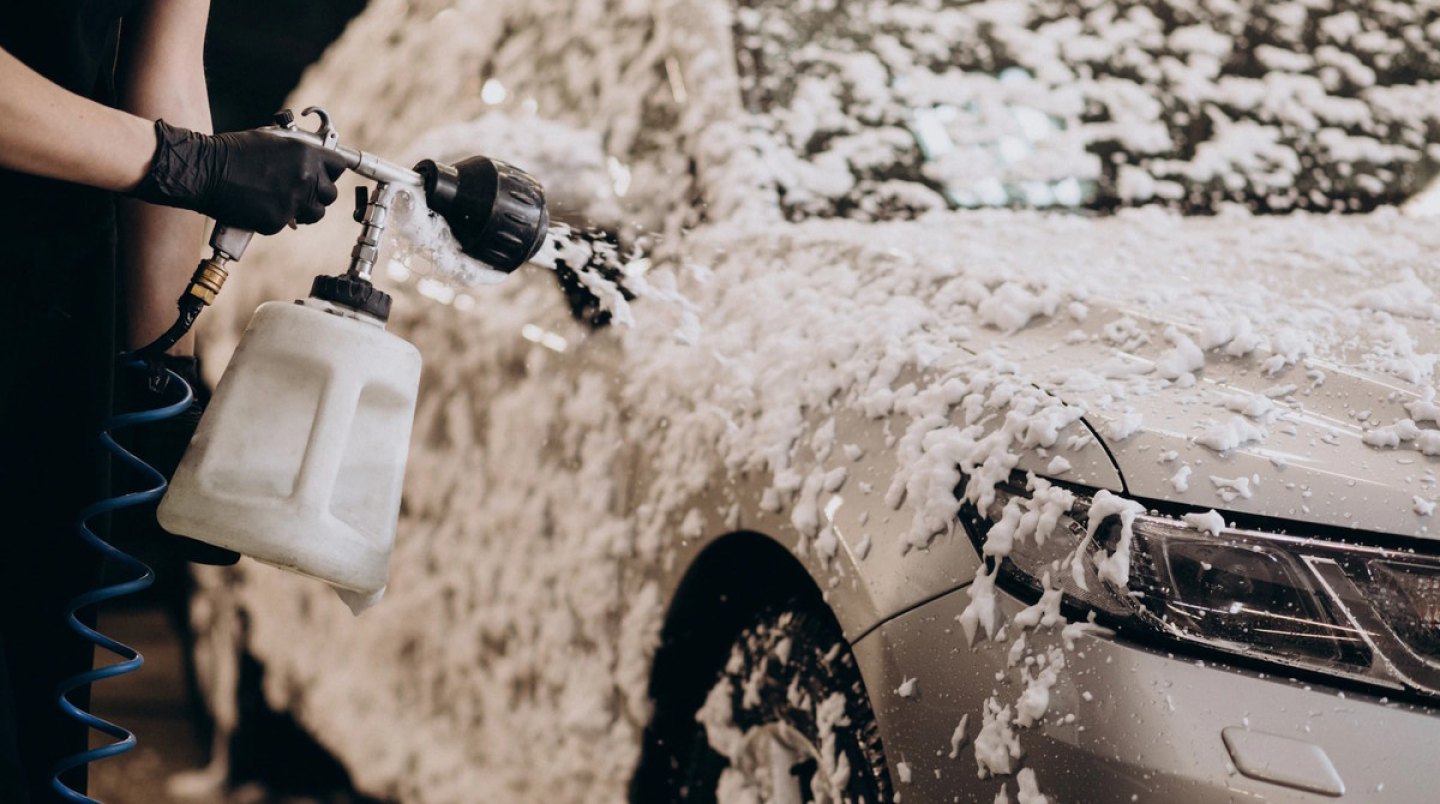
- Decontamination wash — a thorough, paint-safe wash to remove surface grime
- Chemical decontamination — dissolving embedded iron particles and tar spots that a wash won't shift
- Clay treatment — pulling out bonded contamination until the paint is glass-smooth
- Machine polishing — removing swirl marks and light scratches. Critical: a coating locks in whatever is underneath it. Coat swirled paint and you've sealed the swirls in for years
- Panel wipe — stripping every trace of polishing oil so nothing blocks the bond
- Application — panel by panel, levelled at the right moment, inspected under proper lighting
Steps one to five are most of the labour and most of the cost. If a quote is dramatically cheaper than everyone else's, it's almost certainly skipping the machine polishing stage — which is exactly the stage that makes the finish look transformed rather than merely shiny.
Curing: what you need to do afterwards
The coating hardens over days, not minutes. Typical guidance:
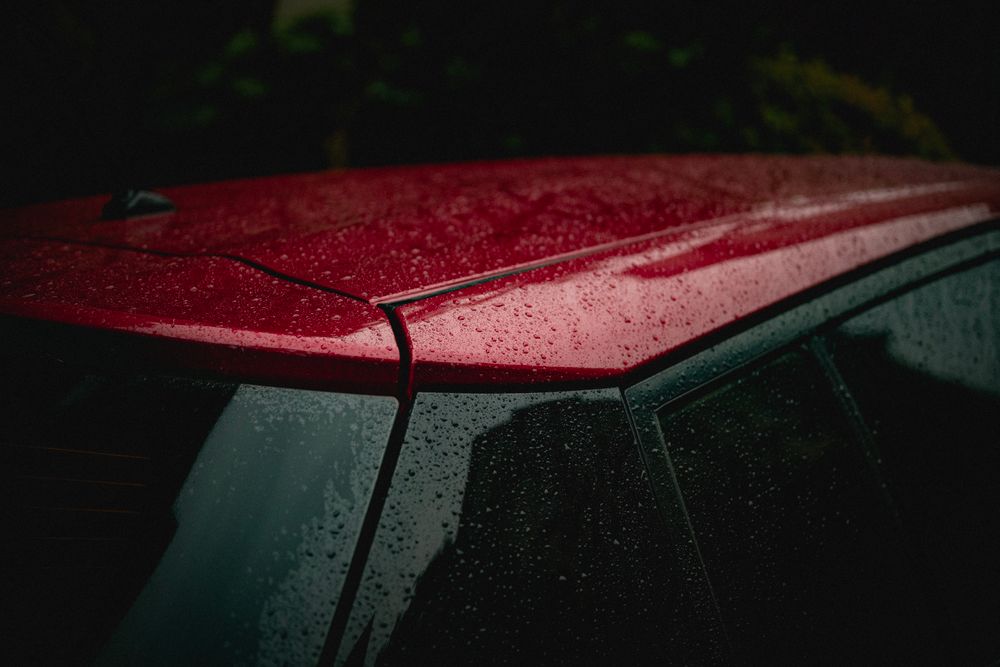
- First 12–24 hours — keep it completely dry. No rain, no dew if you can avoid it. A garage is genuinely useful here
- First 7 days — no washing, and be careful about parking under trees or where birds gather
- After that — wash normally, but with pH-neutral shampoo and a clean mitt. No brushes, and avoid automatic car washes entirely
A coating is a big investment in your paint's appearance; running it through a spinning-brush car wash is the fastest way to undo it.
Red flags worth walking away from
- "Ceramic coating, one hour, £99." That's a ceramic-infused spray sealant. Not the same product, not the same lifespan, and it shouldn't be sold as a coating
- No mention of polishing in the quote for a car that has visible swirls
- A promise it can be done in the rain
- "Lasts 10 years" — treat long guarantees with scepticism unless there's a written maintenance schedule attached
- No aftercare advice at handover
Is it worth it?
For a car you're keeping, with paint worth protecting, and especially in a dark colour — yes, and the day-to-day benefit is the one people underestimate: dirt doesn't grip, so the car looks better for longer and washing takes half the time. For a lease car going back in eighteen months, a good sealant makes more sense and we'll tell you so.
See what's involved on our ceramic coating service page, or read the fuller guide to how ceramic coating works. When you're ready, send us a photo of your paintwork and we'll give you an honest assessment of what it needs first.