When your car’s paint begins to lose its luster, or you notice scratches and swirl marks that seem impossible to ignore, you might wonder whether you need a full respray or if a paint correction London would do the job. Deciding between the two options can be confusing, especially when you want to restore the appearance of your car without going overboard with expensive and time consuming repainting. If you’re in London and are unsure whether to opt for paint correction or a respray, this guide will help you understand what each service offers, how they work, and which one your car really needs.


What is Paint Correction?
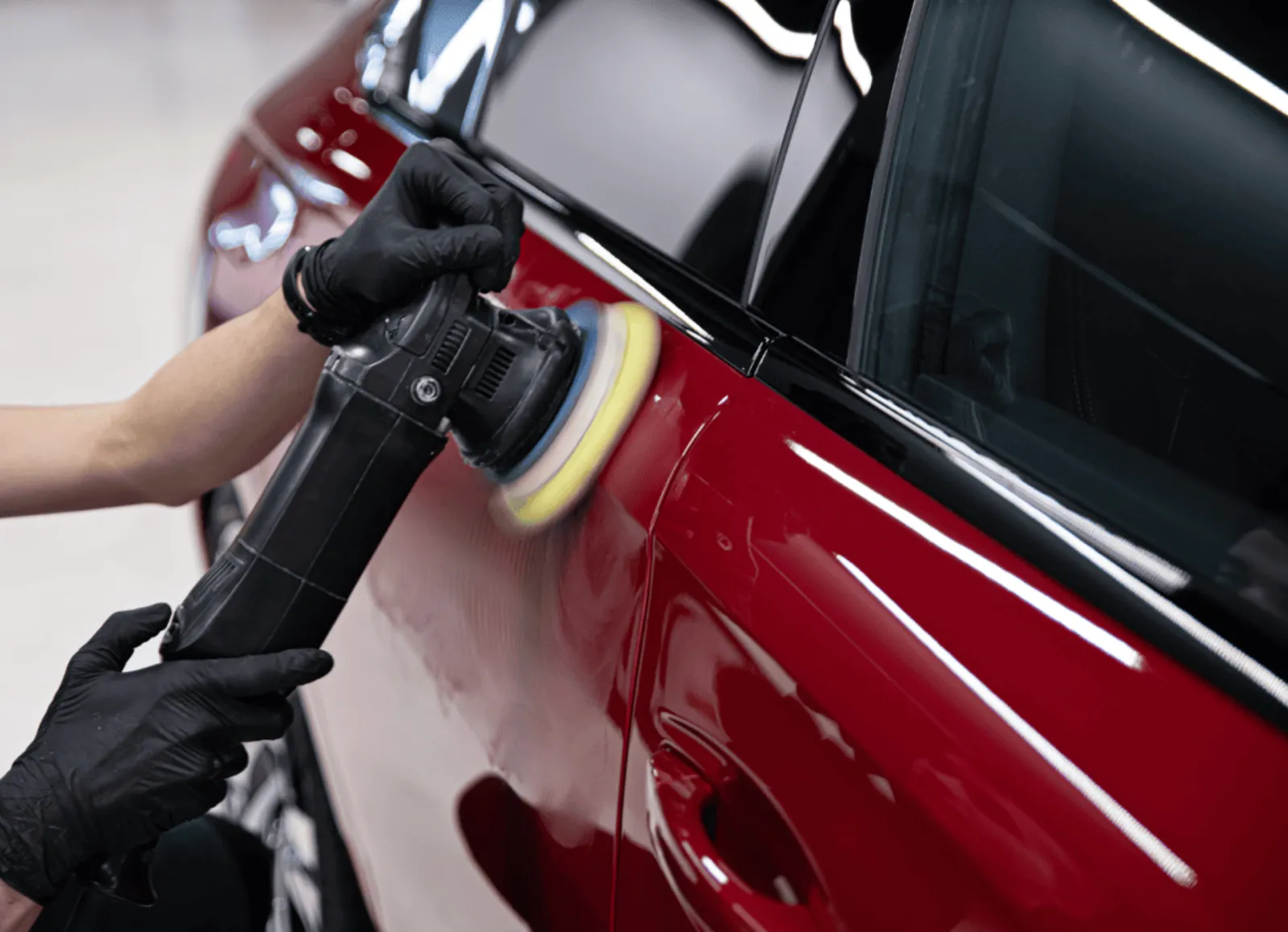
Paint correction is a highly specialized process that involves removing imperfections like swirl marks, light scratches, and oxidation from your car’s paintwork. Using specialized machines and abrasive polishing compounds, skilled professionals carefully polish the surface of your car to restore its original shine. This process can significantly improve the overall appearance of your car by enhancing its gloss, depth of color, and smoothness.
The main purpose of paint correction is to eliminate surface imperfections without the need for a full respray. It’s a great solution for drivers in London who want to restore their car’s paint to a near-new condition without spending a fortune on a full re-spray.
What Paint Correction Fixes
Paint correction works wonders for:
- Swirl Marks: These are fine scratches caused by washing, drying, and improper waxing. Paint correction removes these marks to reveal a smooth, shiny surface.
- Oxidation: Over time, the paint on your car can become dull and faded due to exposure to the sun and weather. Paint correction can rejuvenate the color and bring back its deep, rich finish.
- Water Spots: Water spots can appear when water dries on the surface of the paint, leaving behind mineral deposits. A paint correction treatment can restore the gloss by removing these deposits.
- Light Scratches and Scuffs: If you have minor scratches or scuffs on your car, paint correction can polish them away, leaving a smooth finish.
- Paint Contaminants: Paint correction can also help remove contaminants like tar spots, tree sap, or industrial fallout, which may affect the surface of your car’s paint.
What Paint Correction Cannot Fix
While paint correction is effective in restoring the gloss and smoothness of your car’s paint, it does have its limitations:
- Deep Scratches or Gouges: If your car has deep scratches that go beyond the clear coat, paint correction won’t be able to fix them. In such cases, a respray may be required to repair the damage properly.
- Faded or Peeling Paint: If the paint on your car has become severely faded or is peeling, paint correction won’t be effective. These issues often require a full respray to restore the finish.
- Dents and Dings: Paint correction is solely focused on improving the surface finish, so it can’t fix any physical damage such as dents or dings. Paintless dent repair (PDR) or respray may be needed to address these concerns.
Signs Your Car Needs a Respray Instead
While paint correction can handle most surface imperfections, there are a few signs that indicate a full respray is required:
- Severe Fading: If the color has completely faded and is no longer vibrant, paint correction will not help. A respray will be the only solution to restore the appearance.
- Peeling Paint: If the clear coat or paint is peeling off the car’s surface, no amount of correction will fix it. A respray is necessary to fix this problem properly.
- Deep Scratches: When scratches are too deep and reach the base layer, paint correction will not suffice. A respray will be the best way to restore the surface.
- Excessive Wear and Tear: If the paint is showing signs of wear and tear across large areas of the car, a respray may be the most effective solution to bring it back to life.
How Swirl Marks and Dull Paint Happen
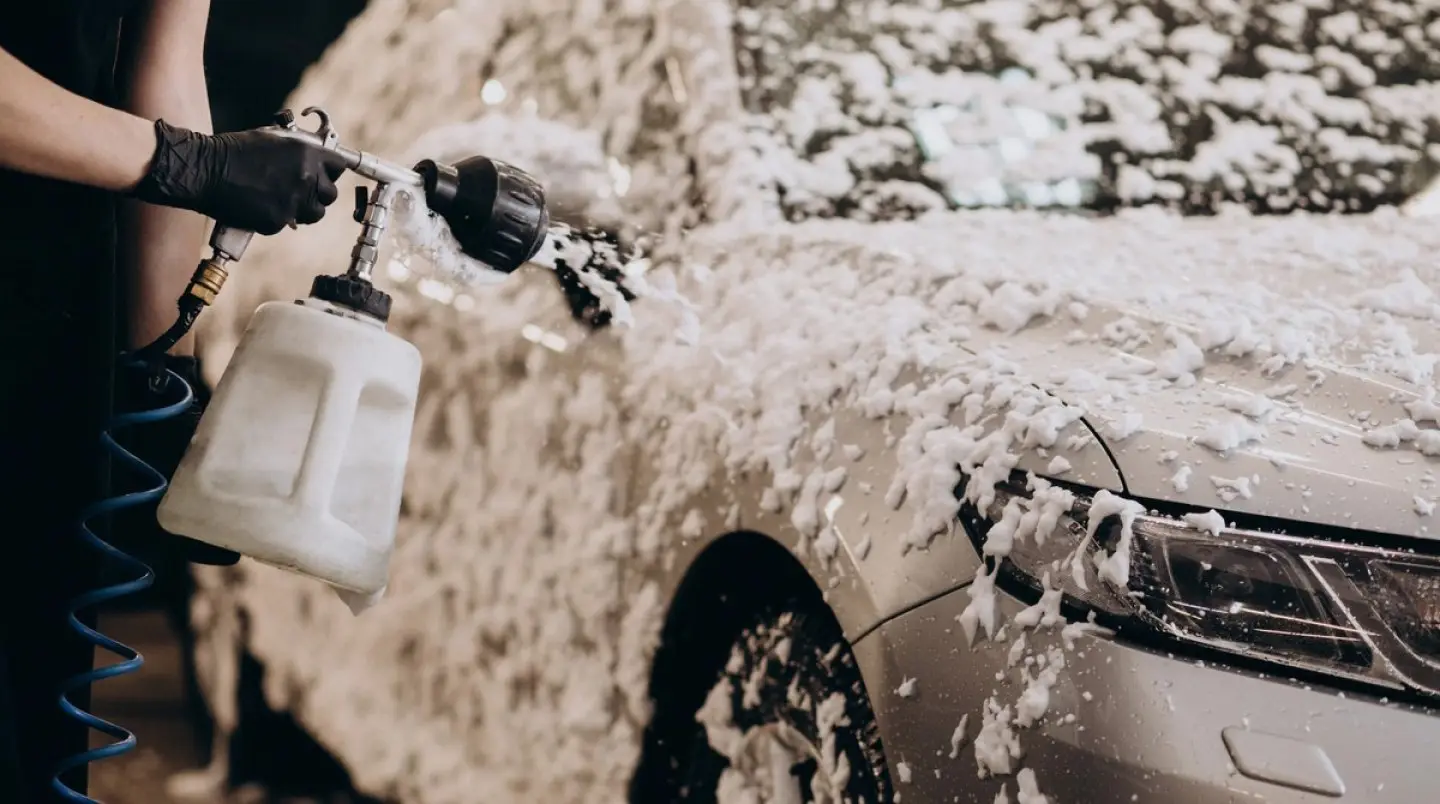
Swirl marks and dull paint are often the result of improper washing techniques, which occur over time due to the following reasons:
- Improper Cleaning Tools: Using rough sponges, dirty towels, or abrasive cleaning products can leave swirl marks on your car’s surface.
- Incorrect Drying Techniques: Rubbing your car dry with a towel or using a rough cloth can cause scratches and swirl marks. It’s always better to use a microfiber towel and blot dry.
- Environmental Contaminants: Things like tree sap, bird droppings, and industrial fallout can create contaminants on the paint surface, which may lead to oxidation and dullness.
- Exposure to Sun: UV rays from the sun break down the paint’s protective layer, causing fading and a dull appearance over time.
What Finish Can You Expect from Paint Correction?
After a paint correction treatment, your car will look significantly better. You can expect:
- A High Gloss: The process removes swirl marks and imperfections, leaving behind a smooth and glossy finish that reflects light beautifully.
- Deep, Rich Color: By removing oxidation and other contaminants, your car’s paint will appear more vibrant, making the color pop.
- Smoother Surface: The surface of your car will be free from contaminants, providing a silky-smooth finish that enhances its overall appearance.
- Improved Clarity: With swirl marks, scratches, and oxidation removed, the paintwork will have better clarity and depth.
Best Protection After Paint Correction
To ensure that your car’s newly corrected paint lasts for a long time, it’s crucial to protect it properly. The best way to protect your car’s paint after a correction treatment includes:
- Ceramic Coating: A ceramic coating is a long-lasting, protective layer that helps repel dirt, water, and contaminants. It also adds a layer of protection from UV rays, preventing oxidation and fading.
- Sealants: Paint sealants create a thin, protective layer that keeps your car’s paint safe from the elements and makes washing easier.
- Waxing: Regular waxing can help maintain the glossy finish and protect the paint from light contaminants and dirt buildup.
Frequently Asked Questions About Paint Correction London
1. What is paint correction?
Paint correction is a process where imperfections such as swirl marks, light scratches, oxidation, and other contaminants are removed from your car’s paint using specialized machines and abrasive polishing compounds. The goal is to restore the paint’s shine and smoothness without needing a full respray.
2. Does paint correction remove scratches?
Paint correction can remove light scratches and swirl marks that are only on the surface of the paint. However, it cannot remove deep scratches or gouges that go beyond the clear coat.
3. How long does paint correction last?
The results of paint correction can last anywhere from several months to a few years, depending on the level of protection you apply afterward, such as ceramic coatings or waxes, and how well you maintain your car.
4. What is the difference between paint correction and respraying?
Paint correction involves polishing and removing imperfections on the existing paint, while a respray involves completely applying new layers of paint to the car. Paint correction is ideal for minor surface imperfections, whereas a respray is needed for extensive damage like deep scratches, peeling paint, or severe fading.
5. Can paint correction fix faded paint?
Paint correction can help bring back some vibrancy to faded paint, especially if the dullness is caused by oxidation. However, if the paint is severely faded, a respray may be necessary to restore the original color.
6. How long does a paint correction service take?
The duration of paint correction depends on the condition of the paint and the size of the car, but typically, it can take anywhere from a few hours to a full day.
7. What should I do after paint correction?
After paint correction, it’s recommended to protect your car’s newly restored finish with a layer of wax, a paint sealant, or ceramic coating. This will help maintain the gloss and protect the paint from further damage.
8. Is paint correction worth the cost?
Yes, paint correction is a cost-effective way to restore the appearance of your car if it has surface imperfections. It’s generally much cheaper than a full respray and can give your car a fresh, glossy finish.
9. Can paint correction be done on any type of car?
Yes, paint correction can be performed on any type of car, regardless of make or model. However, certain colors, especially darker ones, may show imperfections more clearly, making paint correction particularly beneficial for them.
10. How do I know if my car needs paint correction or a full respray?
If your car has light surface imperfections like swirl marks or oxidation, paint correction is usually the right choice. However, if you have deep scratches, peeling paint, or severely faded color, a full respray may be necessary. A professional technician, like those at Ecoverde Valeting Service, can help assess your car’s needs.
Book Your Paint Check with Ecoverde Valeting Service
If you’re unsure whether your car needs paint correction London or a full respray, it’s always a good idea to have a professional check the condition of your paintwork. At Ecoverde Valeting Service, we offer a comprehensive paint check and finish plan to ensure that your car looks its best. Our skilled technicians use the latest techniques and tools to restore your car’s paint to perfection.
Book your paint correction London check today and discover the best solution for your car’s needs! Call us now or visit Ecoverde Valeting Service for more details.
Whether your car has swirl marks, faded paint, or light scratches, paint correction London is a highly effective and cost-efficient way to restore its shine without the need for a full respray. If you’re in London and want to bring back that showroom finish, trust Ecoverde Valeting Service for all your paint correction needs. Our experts are ready to guide you through the best solutions for your car, ensuring you get the perfect finish.
Remember, a well-maintained car looks great, lasts longer, and retains its value. Get in touch with Ecoverde Valeting Service today for top-notch paint correction London!