Soft-top roofs, whether fabric or vinyl, need different products and techniques to the rest of the car's bodywork. Standard car shampoo, pressure washing, or the wrong brush can strip the roof's waterproofing and cause it to crack or leak over time. Most general valets treat the roof the same as the paintwork, which is the main reason convertible owners end up with reduced water resistance or premature wear.
Convertible owners often assume their roof is being properly looked after as part of a standard valet, because it looks fine afterwards. The problem is that roof damage from the wrong products or technique doesn't usually show up immediately — it shows up months later as leaks, staining, or cracking, by which point it's a lot harder to fix than it would have been to simply do it right the first time.
Why Convertible Roofs Need Different Treatment to Paintwork
A car's bodywork is hard, non-porous paint with a clear coat. A convertible roof is a soft, often porous material designed to flex and seal against water — which means it reacts completely differently to washing.
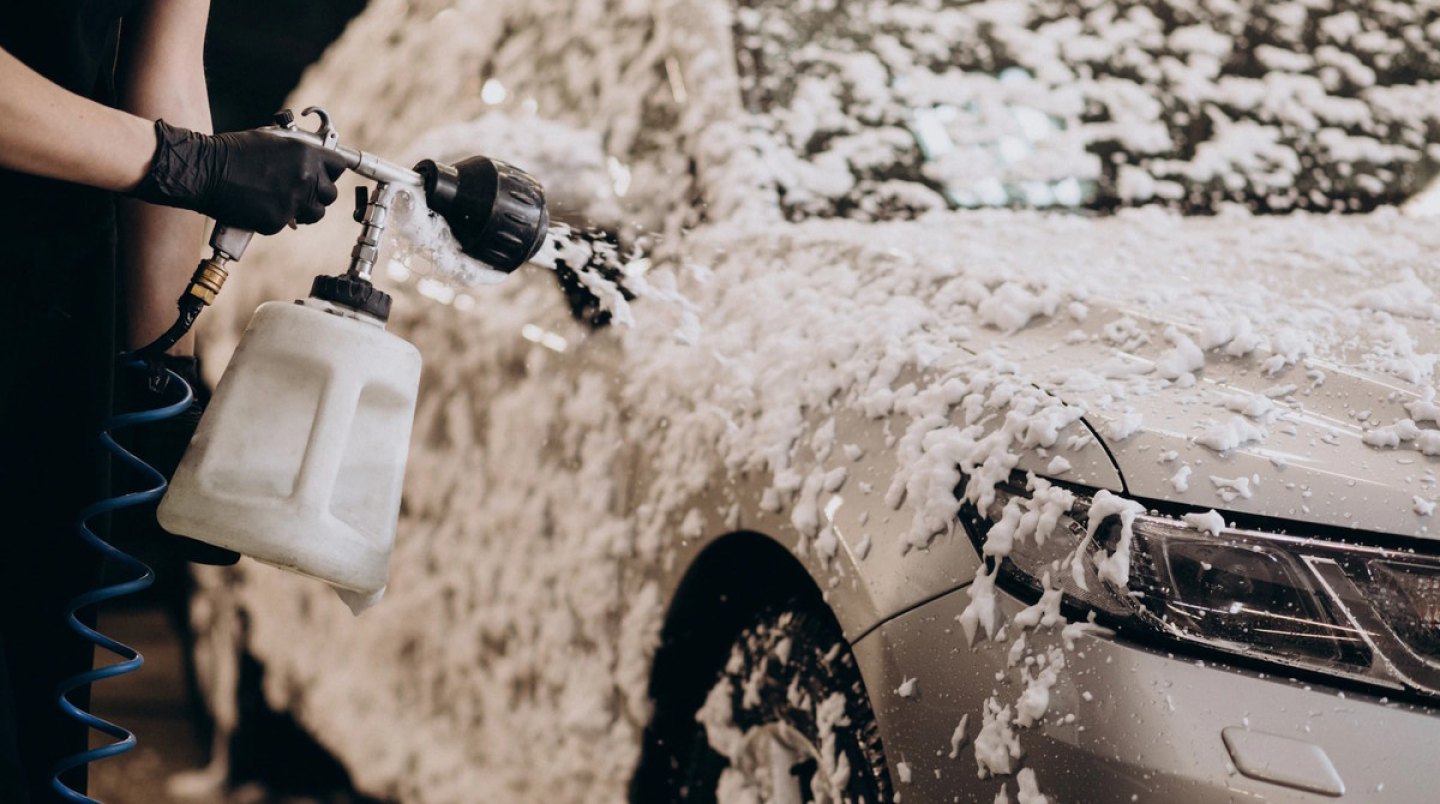
Pressure washing, aggressive brushes, or high-alkaline shampoos designed for paint can strip the roof's waterproof coating, force water into stitching and seams, or cause premature fading and stiffening of the material. None of this is obvious straight after a wash — the damage builds up over repeated washes.
Fabric vs Vinyl Roofs — Different Care Needs
- Fabric roofs (canvas-style) are porous and rely on an applied waterproof coating that wears down over time with washing, sun exposure, and general use. They need gentle, roof-specific cleaners and periodic re-proofing to maintain water resistance.
- Vinyl roofs are less porous but can still crack or fade with harsh chemicals or prolonged UV exposure. They generally need a dedicated vinyl-safe cleaner and protectant rather than an all-purpose shampoo.
Using the wrong product type on either can strip existing protection rather than adding to it — worth checking with whoever's valeting the car that they know which type yours is.
Common Mistakes That Damage Waterproofing
- Using standard car shampoo — many are too alkaline for roof fabric and strip factory waterproofing
- Pressure washing directly onto the roof — can force water into seams and stitching, and may damage the coating outright
- Scrubbing with a stiff brush — roof fabric is more delicate than paintwork and can be damaged by brushes fine for bodywork
- Skipping re-proofing — even with gentle cleaning, waterproof coatings wear down and need reapplying periodically; without this, water resistance gradually declines regardless of how carefully it's washed
What Proper Roof Cleaning and Re-Proofing Involves
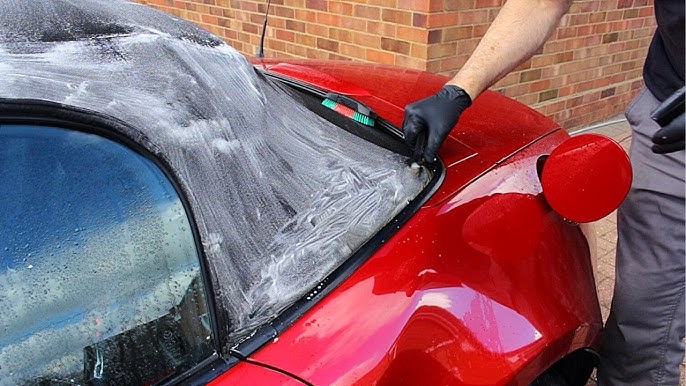
- A dedicated roof-safe cleaner, applied by hand with a soft brush designed for fabric or vinyl roofs
- Gentle rinsing, avoiding high-pressure water directly on seams
- Full drying before any protectant is applied — trapping moisture under a fresh coating can cause its own problems
- A roof-specific waterproofing protectant, reapplied periodically (typically every few months to a year, depending on use and weather exposure)
How Often It Should Be Done
Roof cleaning itself can be done as part of a normal wash routine, as long as the right products are used. Re-proofing (reapplying the waterproof coating) is generally needed less often — usually once or twice a year for regularly used convertibles, more frequently if the car's kept outside year-round rather than garaged.
A Final Thought
A convertible roof is one of the easiest parts of the car to damage without realising it, simply because the wrong products don't cause visible problems straight away. If your roof hasn't been treated with dedicated products in a while, it's worth checking its water resistance before the next wet spell catches you out.
If you're not sure what condition your roof's waterproofing is in, get in touch — we can take a look and advise honestly on what it needs.
Internal link opportunity: link the closing line to your contact/booking page.
Frequently asked questions
Can I wash my convertible roof the same way as the rest of the car?
No. Standard car shampoo and pressure washing can strip a soft-top roof's waterproofing and should be avoided.
What's the difference between caring for fabric and vinyl convertible roofs?
Fabric roofs are porous and need gentle, roof-specific cleaners with periodic re-proofing, while vinyl roofs need a vinyl-safe cleaner and protectant.
How often should a convertible roof be re-proofed?
Typically once or twice a year, depending on how often the car is used and whether it's kept outside or garaged.
Can pressure washing damage a convertible roof?
Yes, pressure washing directly onto the roof can force water into seams and stitching and may damage the waterproof coating.
How do I know if my convertible roof needs re-proofing?
Reduced water beading, or water soaking in rather than running off, are signs the waterproof coating needs reapplying.