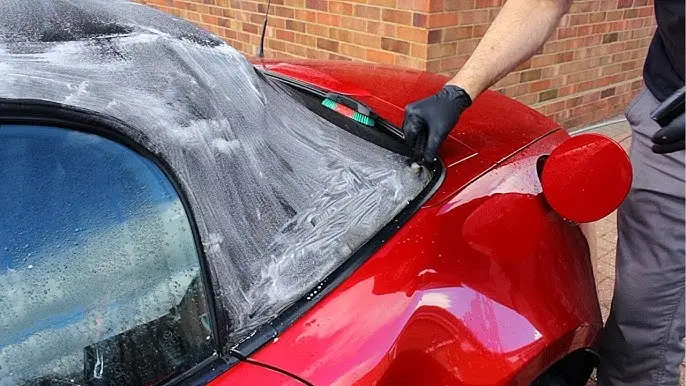
Soft-Top Decontamination, Deep Clean & Proofing
If your convertible roof looks dull, patchy, or has green mould creeping in, it needs more than a quick wipe-down. We fully decontaminate the fabric with a deep extraction clean to lift out ingrained dirt, algae and mould, then apply a premium re-proofing treatment to protect it against rain, UV and future staining. Serving convertible owners across Brentford, Ladbroke Grove and the rest of West London, all with eco-friendly, biodegradable products.
From £189 · free tailored quoteWhat’s Included
- Pre-treatment inspection to check fabric type and condition
- Full decontamination to remove mould, algae and ingrained grime
- Deep extraction clean using low-water, eco-friendly techniques
- Gentle hand-agitation with soft-top-safe brushes, never harsh scrubbing
- Careful clean of seams and stitching, where dirt builds up most
- Premium water-repellent proofing treatment applied
- UV protection to guard against fading
- Finish check and drying to prevent water marks
Fabric and vinyl are not the same job
The first thing we establish is what your roof is actually made of, because the products for one will do nothing useful on the other.
| Roof type | Typically found on | What it needs |
|---|---|---|
| Mohair | Porsche, Aston Martin, higher-spec convertibles | A woven wool blend. Cleaned gently and reproofed with a fabric-specific product. |
| Double duck and canvas | Most mainstream convertibles | Hard-wearing woven fabric. Takes cleaning well and holds a proofer for longer. |
| Vinyl | Older cars, some roadsters | A solid plastic surface, not woven. A fabric proofer cannot soak in, so it needs a dedicated vinyl cleaner and protectant instead. |
Putting fabric proofer on a vinyl roof simply leaves a residue. Putting a vinyl dressing on a fabric roof clogs the weave and stops it breathing. It is worth getting right.
How we clean and reproof a soft top
- 1Dry brush first
Loose grit is removed before any water goes near the roof. Wet grit dragged across fabric is abrasive.
- 2Mask the surrounding paint and glass
Fabric cleaners are strong and will mark paint and rubber if left on them.
- 3Clean with a soft brush, by hand
A dedicated fabric cleaner worked into the weave in sections. No pressure washer at any point.
- 4Extract, rather than rinse
A deep extraction clean pulls the cleaner and the lifted dirt back out of the fabric together. It uses far less water than rinsing and avoids the tide marks rinsing can leave.
- 5Dry completely
This is the step most often rushed. A proofer applied to a damp roof will not bond and the protection fails within weeks.
- 6Apply the proofer evenly, usually two coats
Built up in thin layers rather than one heavy one, then left to cure before the roof is folded.
The whole job usually takes around 2 hours. It does need dry weather, so we book soft tops around the forecast rather than squeezing them into a wet afternoon.
Mould and algae on a convertible roof
In the UK this is the most common soft top complaint we get, and parking under trees or beside a damp wall makes it near enough inevitable.
- Green or black spotting is algae and mould growing in the weave, not dirt sitting on top of it.
- It has to be treated, not just washed. Scrubbing lifts the surface growth and leaves the spores, which come back within weeks.
- We treat the growth, clean the fabric, then reproof, because a roof that has gone green has almost always lost its water repellency.
- An honest expectation: on an older roof that has been green for a long time, staining can lighten dramatically rather than vanish. We will tell you which to expect once we have seen it.
What ruins a soft top
- Automatic car washes. The single worst thing for a fabric roof. Spinning brushes abrade the weave and can catch stitching and rear window seams.
- Pressure washers. They force water through the fabric into the cabin and will lift stitching and seam sealant.
- Silicone and vinyl dressings on fabric. They block the weave, stop it breathing and leave a patchy shine that is difficult to remove.
- Folding it away wet. The fastest route to mould and to permanent creasing.
- Household detergent. It strips whatever proofing is left and leaves the roof soaking up water instead of shedding it.
Plastic rear windows and how often to book
Many convertibles have a flexible plastic rear window rather than glass. It scratches easily, yellows with age and must never be cleaned with ordinary glass cleaner, which clouds it permanently. We clean it with a dedicated plastic polish that can also reduce light hazing.
As for timing, a clean and reproof every six to twelve months suits most cars. The simplest test is water: if rain no longer beads and rolls off but soaks in and darkens the fabric, the proofing has gone and the roof is due. Leaving it past that point is when leaks and mould start.
Frequently asked questions
How long does the soft top cleaning and proofing process take?
What does the proofing treatment do?
Can you remove mould, mildew, and green algae?
How long does the protection last?
How often should a soft top be cleaned and reproofed?
Is it safe to take a convertible through an automatic car wash?
Do you clean vinyl roofs as well as fabric ones?
Can you restore a faded or discoloured soft top?
How long does the roof take to dry?
Can you clean the plastic rear window?
Will this work if my roof hasn't been cleaned in a long time?
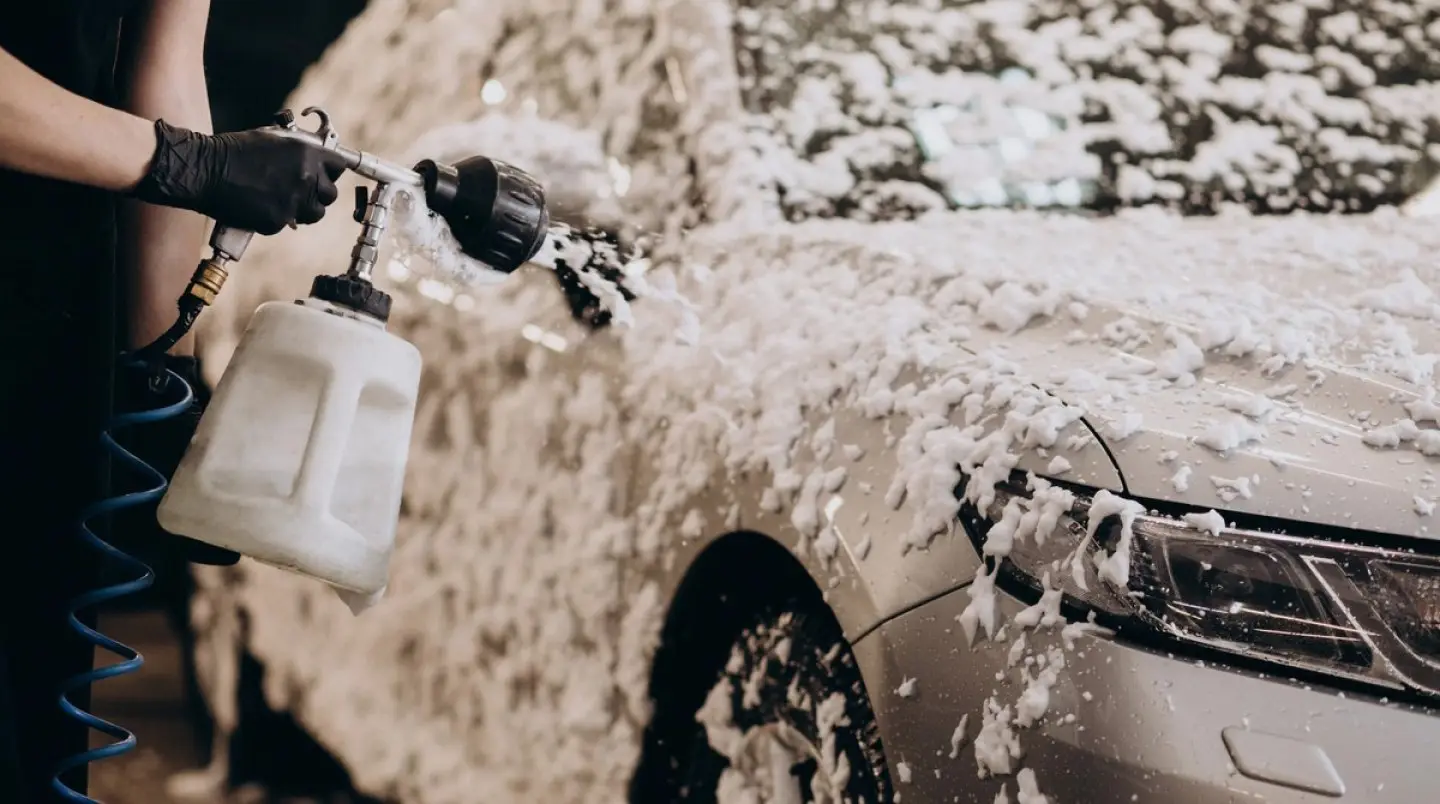
Book Your Soft Top Cleaning & Proofing in London Today
Bring your convertible’s roof back to life with Ecoverde’s professional Soft Top Cleaning and Proofing service . We safely remove dirt, mould, and green algae before applying a premium fabric protectant to guard against rain, UV damage, and future staining.