Rust on your car is more than a cosmetic issue it can affect safety, performance, and resale value. If your vehicle has spent winters parked outside in London, it may have developed surface rust, or worse, serious corrosion. Many drivers wonder, can a rusty car be restored? The short answer is yes but the approach depends on the type and extent of rust. At Ecoverde Valeting Service, we specialize in assessing, treating, and restoring cars, helping you save money and extend the life of your vehicle.
Surface Rust vs. Serious Rust
Understanding the type of rust your car has is the first step in deciding whether restoration is feasible.
Surface Rust
Surface rust occurs when moisture and oxygen interact with exposed metal, usually just beneath the paint. It often appears as small orange or brown spots, and in most cases, it hasn’t penetrated the metal. This type of rust is generally easy to treat and can be removed with sanding, rust converters, primer, and repainting. Acting early prevents it from spreading to structural components.
Serious Rust
Serious rust penetrates deeper, affecting the metal’s structure. You may notice bubbling paint, flaking panels, or holes forming in the metal. Structural rust is more difficult and expensive to repair, especially if it compromises critical areas like the chassis, door frames, or suspension mounts. At this stage, professional assessment is essential to determine whether restoration is worth it.
Signs a Car May Still Be Worth Restoring
Even if rust is visible, your vehicle might still have plenty of life left. Consider restoration if:
- Rust is limited to isolated areas or panels
- There are no large holes or soft, weak metal
- The mechanical parts (engine, transmission, brakes) remain in good condition
- You have emotional or financial reasons to keep the car
- The car’s value after repair will justify the cost of restoration
Cars with surface rust, minor panels affected, or only cosmetic damage are often ideal candidates for restoration, especially when addressed early.
When Rust Is Too Far Gone
Restoration becomes costly or unsafe when rust spreads to critical structural components. Signs your car may be too far gone include:
- Rust in the chassis or frame
- Corrosion on suspension mounting points
- Perforated doors or sills
- Soft or crumbling metal under panels
At this stage, restoration may involve panel replacement, welding, and full resprays. The cost often exceeds the car’s market value, making it more practical to sell the vehicle for parts or scrap.
Why Early Repair Saves Money
Addressing rust early is one of the most cost-effective ways to protect your car. Untreated rust spreads, requiring more labour, materials, and replacement parts. Early interventions may include:
- Sanding off surface rust
- Applying rust converters and protective primers
- Spot painting or blending paint on small areas
- Applying underbody protection and wax coatings
By acting promptly, London drivers can save hundreds or thousands of pounds and maintain their car’s appearance and resale value.
Common Areas Where Rust Starts
Certain areas of your car are more prone to rust, especially in London, where wet weather, road salts, and pollution accelerate corrosion. Common hotspots include:
- Wheel arches – constant exposure to mud, salt, and water
- Sills and rocker panels – water collects underneath, causing rust to form inside panels
- Door edges and handles – rainwater can seep in, causing bubbling paint
- Underbody panels and chassis – road debris and salt accelerate corrosion
- Exhaust system – high heat and moisture cause oxidation
- Under rubber trims and seals – trapped water leads to hidden rust
Regular inspections and protective coatings can help prevent rust in these areas.
What a Professional Check Looks For
A professional inspection goes beyond what the naked eye can see. At Ecoverde Valeting Service, our experts examine:
- Surface and deep rust – assessing how far corrosion has penetrated
- Paintwork damage – identifying bubbling, flaking, or peeling paint
- Hidden corrosion – under wheel wells, sills, and panels
- Structural integrity – checking load-bearing components for safety
- Previous repairs – evaluating past work for potential weak spots
After the inspection, we provide a detailed report and a clear plan for repair, whether that involves localized treatment or full panel restoration.
Step-by-Step Rust Repair Process
For London vehicles, professional restoration usually follows these steps:
- Inspection and Assessment – Identify all rusted areas, surface and structural.
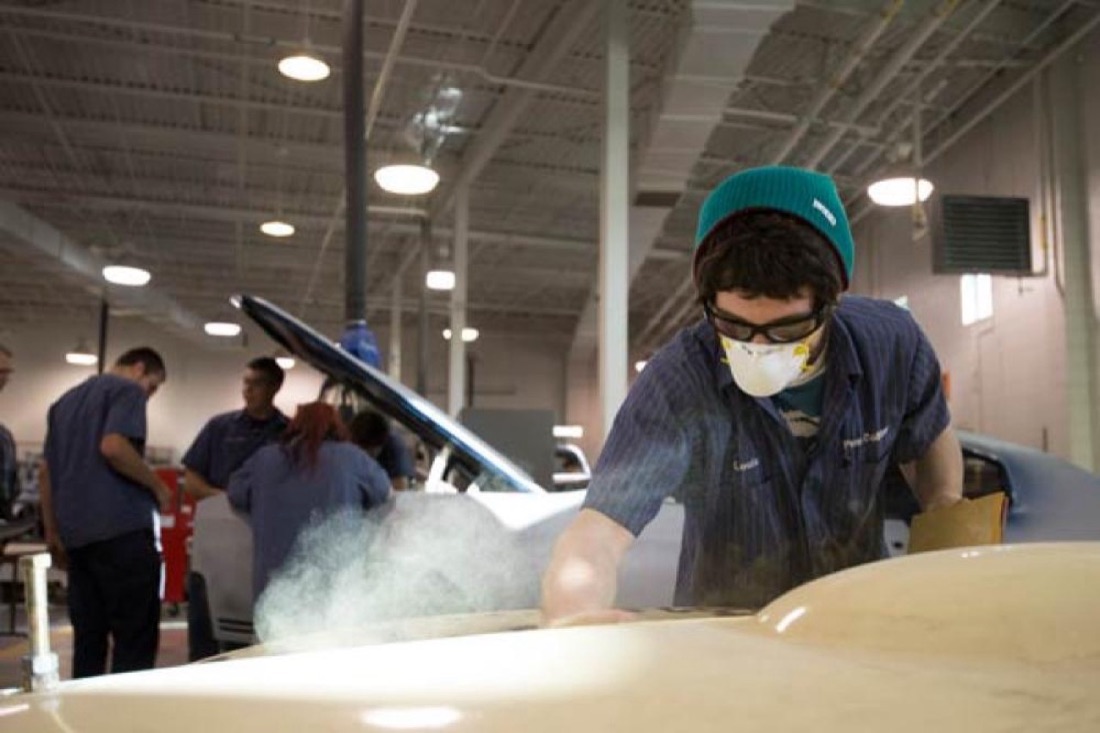
- Surface Preparation – Sanding off rust and cleaning the metal surface.
- Rust Treatment – Applying rust converters or inhibitors to neutralize remaining corrosion.
- Metal Repair – Welding patches or replacing panels if rust has penetrated deeply.
- Priming and Painting – Applying primers, followed by a high-quality respray or spot painting.
- Protective Coatings – Waxing, underbody treatment, or rustproofing for long-term protection.
- Final Inspection – Ensure all treated areas are smooth, safe, and corrosion-free.
This method ensures that rust is removed entirely, the car is safe to drive, and the appearance is fully restored.
Estimated Costs for Rust Restoration in London
Costs depend on the severity of rust:
- Minor surface rust: £50–£150 per panel
- Moderate rust with localized welding: £200–£500 per panel
- Extensive rust affecting structural parts: £1,000–£3,000+
Early intervention keeps costs low and avoids expensive full-panel replacements.
Seasonal Maintenance Schedule for London Cars
To prevent rust from recurring, follow this schedule:
- Winter (December–February) – Wash frequently, remove road salt, check wheel arches and sills.
- Spring (March–May) – Inspect for winter damage, apply wax, check underbody.
- Summer (June–August) – Wash regularly, polish paint, check door seals.
- Autumn (September–November) – Apply underbody protection, check for trapped moisture under trims.
Regular seasonal maintenance significantly reduces rust risk and extends your car’s life.
DIY vs. Professional Restoration
Some rust can be handled at home, but professional restoration ensures longevity and safety.
DIY options:
- Light sanding and spot painting
- Rust converters for minor surface corrosion
- Applying wax or underbody protection
Professional solutions from Ecoverde Valeting Service:
- Full rust removal and metal repair
- Welding and panel replacement
- Respraying and blending paint for a factory finish
- Comprehensive rustproofing for long-term protection
Professional restoration guarantees structural safety and higher resale value, especially for London vehicles exposed to harsh weather. If you are asking, can a rusty car be restored, professional treatment is the safest and most cost-effective way to do so.
Common Questions About Can a Rusty Car Be Restored
Can surface rust be fixed?
When is a car too rusty to restore?
Does rust always mean a respray?
Can rust lower resale value?
How long does it take to restore a rusty car?
Can rust return after restoration?
Is it worth restoring a classic car with rust?
Can rust affect car safety?
Does parking outside in London increase rust risk?
How much does professional rust removal cost?
Can a rusty car be restored completely to its original condition?
Are DIY rust treatments effective?
Don’t let rust ruin your car or reduce its value. If you’ve been wondering, can a rusty car be restored, the answer is yes when handled by experts. Book a professional inspection with Ecoverde Valeting Service in London today. Our mobile team assesses your vehicle, identifies problem areas, and offers expert restoration solutions. Protect your investment, preserve safety, and restore your car to its former glory.
Act now prevent rust from spreading and save money on costly repairs in the future.