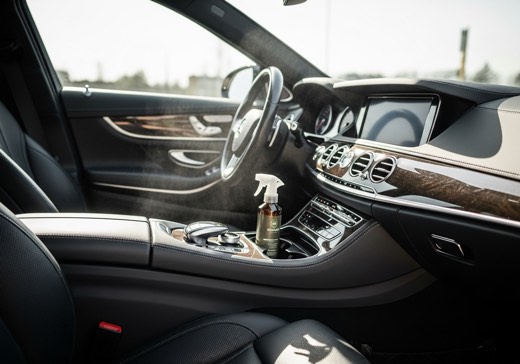
Lease companies assess returned cars against "fair wear and tear" standards, and the most common charges come from scuffed alloys, interior stains, and light exterior scratches. A pre-return valet and light paint correction, done a week or two before handback, can genuinely reduce or avoid these charges. It won't fix everything, though — dents, cracked glass, and major scratches are outside what detailing can address.
If you're coming to the end of a lease, the inspection at handback can be the difference between a clean handover and an unexpected bill. Most of what gets charged for is avoidable, or at least reducible, with the right prep beforehand — but timing and realistic expectations both matter here.
What Lease Companies Actually Check For
Handback inspections typically focus on:
- Alloy wheels — kerb scuffs and scratches are one of the most commonly charged items
- Interior condition — stains, odours, and excessive wear on seats and carpets
- Exterior paintwork — scratches, chips, and dents beyond a certain size or number
- Glass — chips or cracks in the windscreen
- Tyres — tread depth below the required minimum
- Missing items — spare keys, manuals, locking wheel nuts
Most inspection standards (commonly based on the BVRLA fair wear and tear guide) allow for a reasonable level of cosmetic wear given the car's age and mileage. The charges tend to come from wear beyond that reasonable threshold.
Fair Wear and Tear vs Chargeable Damage
This distinction matters, because not everything gets charged. Fair wear and tear generally covers:
- Light scuffing consistent with normal use
- Minor stone chips on the front of the car
- General interior wear appropriate to the car's age and mileage
Chargeable damage tends to include:
- Scratches or dents beyond a certain size, or in clusters
- Stained or heavily soiled interior trim
- Alloy wheel damage beyond light scuffing
- Odours (smoke, pets) that require specialist treatment to remove
A pre-return detail is aimed squarely at the second category — bringing the car back down to what's reasonably expected, rather than trying to make it look brand new.
What a Pre-Return Detail Should Include
For most leased cars, a sensible pre-return prep covers:
- Full interior deep clean — carpets, seats, and boot, addressing any stains or odours
- Alloy wheel cleaning and light cosmetic touch-up where scuffing is only surface-level
- Exterior wash and light paint correction on visible swirl marks or light scratching, where machine polishing can realistically improve the finish
- Engine bay clean, if it's part of the inspection criteria (check your lease terms)
- A final check against the handback checklist your leasing company provides, if you have one
What It Won't Fix
It's worth being upfront about the limits here, because a detail isn't a repair service:
- Dents — these need paintless dent removal or bodywork, not detailing
- Cracked or chipped glass — a windscreen repair or replacement is a separate job
- Deep scratches through the clear coat — polishing removes fine scratching, not damage that's gone through to the colour coat
- Alloy wheel damage beyond light scuffing — kerbed alloys with visible gouges usually need wheel refurbishment, not just cleaning
If your car has any of these, it's worth getting a separate repair quote alongside the detailing — sorting both before handback is usually far cheaper than the charges applied afterward.
Timing: Why Leaving It Too Late Costs More
Booking a valet the day before handback rarely gives enough time to properly assess and address everything. Stains need time to be treated properly, and if any repair work turns out to be needed (a chip, a dent), there often isn't time to arrange it. Booking a detail one to two weeks before your return date gives enough breathing room to catch and deal with anything that needs more than a clean.
A Final Thought
A proper pre-return detail is one of the more cost-effective things you can do before handing a leased car back — it directly targets the areas inspectors focus on, without you needing to guess what will or won't get charged. It won't turn back the clock on real damage, but for the wear and tear that builds up over a lease term, it makes a genuine difference.
If you've got a handback date coming up, get in touch — we can talk through what your car needs and the best timing to book it in.
Internal link opportunity: link the closing line to your contact/booking page, and mention business/fleet vehicles if you serve company car clients.
Frequently asked questions
What do lease companies check for at handback?
Inspections typically focus on alloy wheels, interior condition, exterior paintwork, glass, tyres, and included items like spare keys.
What's the difference between fair wear and tear and chargeable damage?
Fair wear and tear covers light, age-appropriate cosmetic wear. Chargeable damage includes larger scratches, dents, stains, or wheel damage beyond light scuffing.
Will a valet fix a dent or cracked windscreen before handback?
No. Detailing addresses cleaning and light paint correction; dents and glass damage need separate repair services.
When should I book a pre-return valet before lease handback?
One to two weeks before your return date, to allow time for proper treatment and to arrange any separate repairs if needed.
Can paint correction help avoid lease handback charges?
Yes, light paint correction can improve fine scratching and swirl marks that might otherwise be flagged at inspection.